
Review · UBUD DAY TRIPS FROM SEMINYAK
Ubud Cultural Day Tour: A Day for Balinese Cultural Experience
Ubud Cultural Day Tour is one long story, told in temples, dance, and village craft. It runs from Seminyak with hotel pickup and a full-day guide, so you can pack in the big Ubud sights without living on a schedule of buses and tickets.
I really like the way this route mixes major cultural stops with a guide who can explain what you are seeing, not just where to stand for photos. Two standouts for me are the Barong Dance & Fire Dance stop and the layered temple pair, Batuan Temple and Goa Gajah (Elephant Cave), where you get both architecture and story.
The main drawback to plan around is time and energy. This is a long day, about 9 to 12 hours, and you will spend a lot of it in the car, plus lunch is not included.
Key Highlights You’ll Feel Quickly
- Barong Dance & Fire Dance: the classic good vs evil story, with a real performance time block built in
- Sacred Monkey Forest Sanctuary: long-tailed monkey conservation and temple ties, not just a quick peek
- Batuan Temple: ancient, 10th-century temple walls with Ramayana and Mahabharata story scenes
- Goa Gajah (Elephant Cave): a 9th-century sanctuary with carved reliefs at the entrance
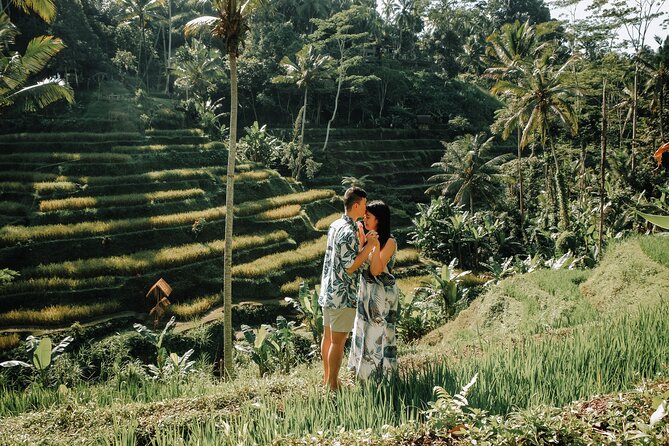
- Tegalalang Rice Terraces: photo time with breezy views and centuries-old farming shapes
- Craft and art villages (Celuk): an art-stop that is about making, not only selling
More ways to do the run up to Ubud
- Ubud Hot Springs and Waterfall Private Guided Tour
★ 5.0 · 719 reviews - Ubud: Monkey Forest, Water Temple, Rice Terrace, Waterfall
★ 5.0 · 538 reviews - Ubud Tour – Ubud Highlight – Private Tour All inclusive
★ 5.0 · 399 reviews - Ubud Tour With Sacred Monkey Forest Sanctuary – Waterfall – Rice Terrace
★ 5.0 · 385 reviews
From Seminyak to Ubud: Why This Day Tour Works
If you are staying in Seminyak, Ubud can feel far in both distance and mindset. This tour makes it simple: pickup and drop-off are included, and the day is built around a cluster of Ubud-area highlights.
The value here is not just the sights. It is the order of them. You start with performance culture, then move into craft villages, then temples, then scenery. That flow helps the day feel like one coherent theme: Balinese life, beliefs, art, and the landscape that supports it.
Also, the tour is set up for a private group experience. You are not sharing your day with a random crowd at every stop in the same way that some bigger group tours do.
The 8:00 AM Start, 9 to 12 Hours, and How to Plan Your Body
Start time is 8:00 am, and the day runs roughly 9 to 12 hours. That means you should treat it like a full commitment day, not a relaxed sightseeing stroll.
You will want comfy shoes with grip. Temple grounds and cave entrances can be uneven, and you will also be on paths around rice terraces. Bring sun protection, and plan for heat and humidity, especially during the rice terrace and monkey forest segments.
One practical tip that makes a big difference: tell your guide your preferences early. If you do not want heavy shopping pressure, say so up front. The route includes craft stops like Celuk, and you can steer the day so you browse without feeling rushed to buy.
Stop 1: Sahadewa Barong Dance & Fire Dance, What to Watch
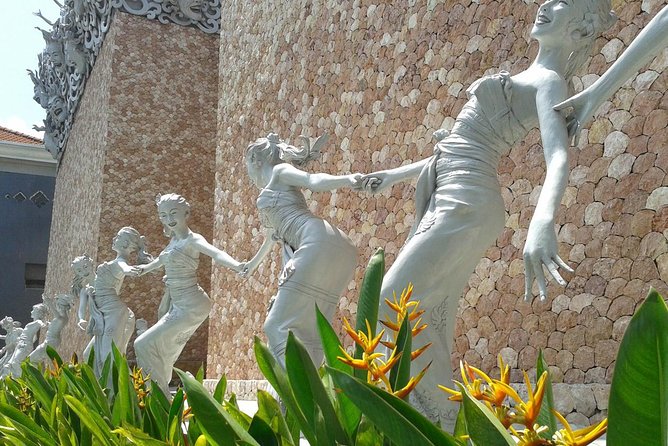
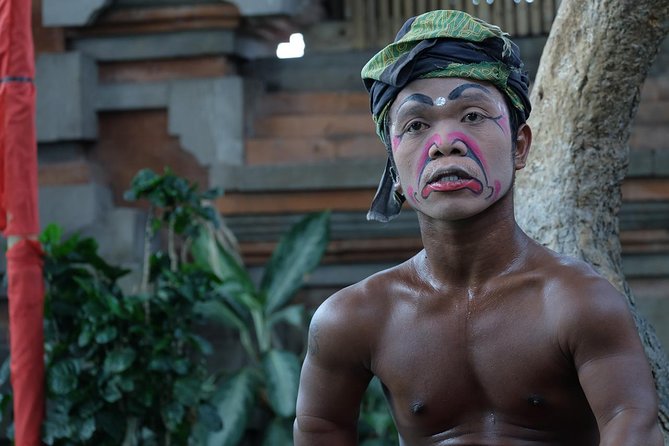
The day opens with Sahadewa Barong Dance & Fire Dance, with about 1 hour on the schedule and admission ticket included. The Barong performance is the classic battle tale, good (the Barong) against evil (Rangda), told through dance and dramatic costuming.
What I like about starting here is that it sets the cultural language for the rest of the day. Later, when you are at temples and see religious motifs, the story logic feels less like symbolism on a wall and more like something people actually live with.
During the performance time block, you will likely want to do two things: watch the action first, then use your guide’s explanation to connect characters and meaning. The tour is designed so you have time to learn, not only watch.


Stop 2: Celuk Village Craft Time, Browsing Without Getting Sucked In
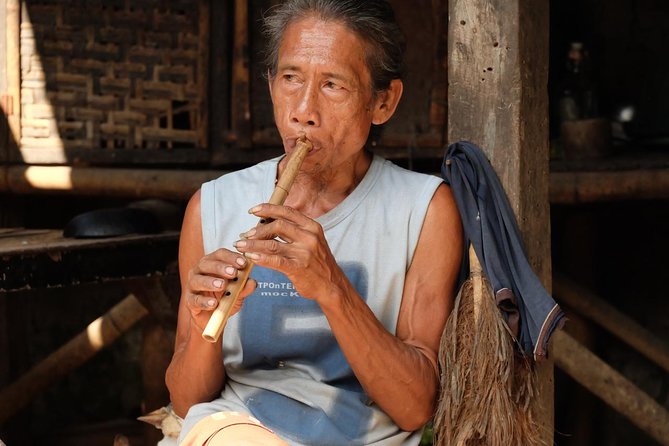
Next comes Celuk Village, a handicraft and Balinese art center, again with about 1 hour and admission ticket included. Celuk is known for the making side of craft, so you are not just shopping from a stand. You get the sense of how artists and artisans build their work and keep skills alive.
This is also where your personal travel style matters most. If you like browsing, this stop can be a fun, creative reset. If you do not, you still benefit because craft villages show you what Balinese culture looks like when it becomes everyday work, not only museum display.
A strategy that helps: go in with a clear budget and a decision mindset. If you see something you really love, buy it then. If you do not, enjoy the process and move on. You do not need to force a purchase to justify the cultural value of the stop.
Stop 3: Puseh Batuan Temple, Ancient Walls With Ramayana and Mahabharata
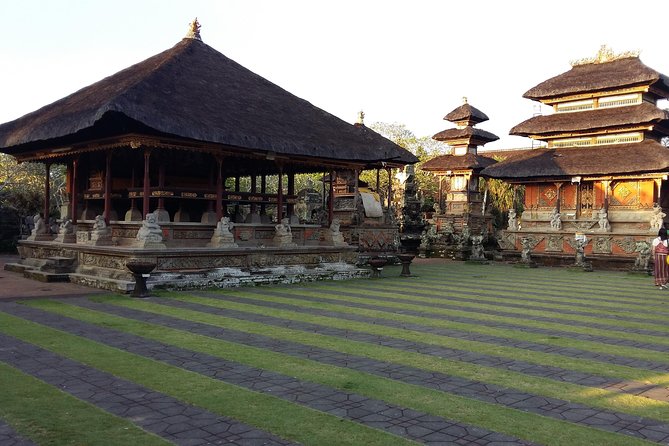
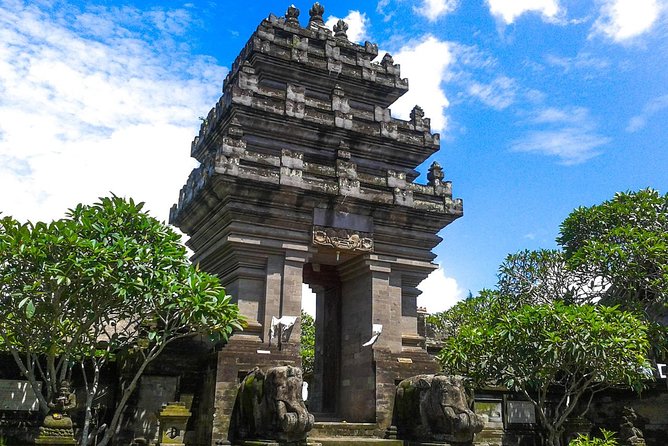
Then you head to Puseh Batuan Temple, around 30 minutes, with admission ticket included. Batuan Temple is described as an ancient temple from the 10th century, and it is known for attractive architecture.
The big reason to care is the story art on the temple walls. You can see scenes connected to the Ramayana and Mahabharata, which helps you connect performance culture to visual culture. In other words, you are not learning only facts, you are learning where the stories show up in daily sacred spaces.
Drawback to note: with only half an hour, you will not have time to slow-walk every wall detail. Go with a focus. Pick one area, let your guide explain it, then move on. You will feel satisfied instead of overwhelmed.
Stop 4: Sacred Monkey Forest Sanctuary, Conservation and Etiquette
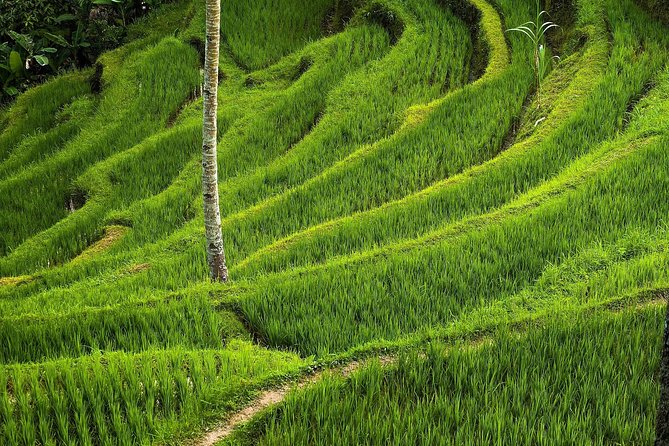
The Sacred Monkey Forest Sanctuary is next, about 1 hour, with admission ticket included. This is not presented as a reckless zoo stop. It is described as long-tailed monkey conservation, with a well maintained small forest and over 500 sacred but friendly monkeys.
Here is the key detail that makes it more meaningful: local people believe the monkey colony is a guardian of Pura Dalem Temple, which is located inside the forest. That ties the monkeys directly to religious space, not only tourism.
Practical advice for enjoying this stop: keep your belongings secure and be mindful around monkeys. Even if they seem friendly, your job is to observe safely and respectfully. Also, time your photos with care. Too much arm stretching and monkey chasing for selfies is a fast way to turn a cultural stop into a stressful one.
Stop 5: Ubud Palace, Culture Conservation and Royal Heritage
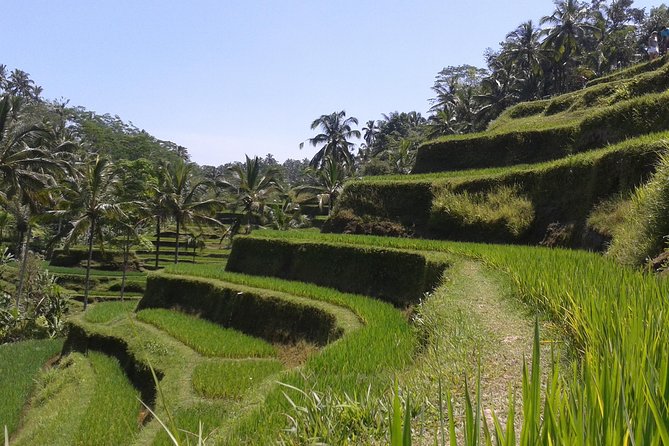
After the monkeys, you move to Ubud Palace, about 30 minutes, admission ticket included. Ubud Palace is described as a famous royal family house in Bali and a place for cultural shows and culture conservation, and it is still linked to the royal family’s role in protecting Balinese culture.
This stop is shorter, so treat it like a cultural orientation checkpoint. You are there to get context for why Ubud became what it is: a center for arts, performance, and traditions that continue in public view.
If you are the type who likes to ask questions, this is a good time. The palace setting is perfect for clarifying what parts of Balinese culture are ceremonial, what is performative, and what is everyday.
Stop 6: Tegalalang Rice Terraces, Photo Time With Real Breeze
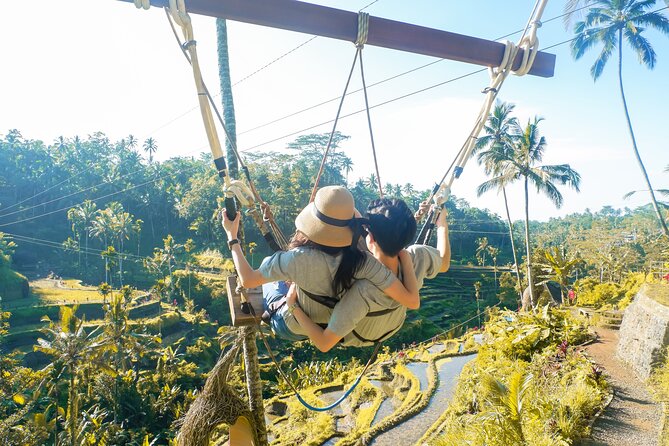
Next is Tegalalang Rice Terrace, about 30 minutes, admission ticket included. This is one of the most photographed spots around Ubud, and it earns it.
The description focuses on the long view of green rice paddies and the idea that local farmers need hundreds of years to build these terraced shapes. That time scale is part of the magic. You are seeing not only scenery, but a living system shaped through generations.
One consideration: 30 minutes goes fast here. If you want photos plus walking time, wear light layers and plan your photo points before you start moving. Your guide will usually help you time the best angles, especially when the air is breezy and the terraces look crisp.
Stop 7: Elephant Cave (Goa Gajah), 9th-Century Sanctuary Stories
The day ends with Goa Gajah, also known as Elephant Cave, about 1 hour, admission ticket included. It was built in the 9th century and served as a sanctuary.
The entrance is the star. At the façade, there are reliefs of menacing creatures and demons carved right into the rock at the cave entrance. The main figures are carved into the entrance rock as well, and the cave has a long, story-focused presence.
Cave stops tend to have a specific pacing. You need a moment to adjust, then you want your guide’s explanation so you can understand the carvings and the sanctuary function beyond the wow-factor.
A practical note: cave and temple spaces can have cooler air or dimmer light, so your phone camera might need a quick manual adjustment. If you use portrait photos, keep your phone steady and let the guide’s context help you pick what to photograph.
Where Civet Coffee Fits: Bali Pulina and the Coffee Lesson
The day tour overview also includes a stop at Bali Pulina Coffee Plantation to learn how civet coffee is produced. You should expect this to be part of the cultural food and agriculture side of the route, like a farm-based learning moment.
Why it matters for your trip: it connects Bali’s landscape to something global. Instead of only enjoying a rice terrace view, you get a direct link between agriculture and a specific product people talk about around the world.
I would treat this as a learning and tasting opportunity, not a must-buy shopping stop. If you want coffee, buy coffee. If you do not, you still get the production story and the broader agricultural context.
The Real Secret Sauce: Guides, Not Just Stops
A day like this can feel like checkboxes unless the guide turns it into a conversation. This is where the experience seems to hit hardest.
In past tours, guides like Putu Mertayasa have been praised for being friendly, cheerful, and able to explain the history and traditions behind what you see. That matters at Batuan Temple, at Goa Gajah, and even at Celuk, because these places are layered. Without guidance, you can walk through and miss half the meaning.
There is also a good, practical expectation: drivers and guides are often flexible with timing, and they can answer questions on the spot. If you want a slower pace at one stop or more time for photos at another, the structure still allows it.
Price and Value: What $75 Really Buys You
At $75, this is not a luxury boutique tour price, and it should not feel like one. What it does offer is a lot of high-value logistics bundled together.
You get:
- hotel pickup and drop-off
- a driver/guide
- bottled water
- admission tickets included at the main stops listed in the day plan
That matters because you are not only paying for entry fees. You are paying for time saved and friction reduced. Ubud-area highlights are clustered, but navigating them with your own transport is time-consuming and stressful, especially in heat.
Lunch is not included. That keeps the base price lower, but it means you need a budget for food during the day. The tour includes time to stop to purchase lunch at a local eatery, so you will not be forced to skip a meal.
Bottom line: for a full-day route with multiple ticketed cultural stops, it looks like a fair deal, as long as you go in prepared for the long day format.
What to Bring, How to Stay Comfortable, and Avoid Common Mistakes
Bring:
- sun protection (hat or cap, plus sunscreen)
- water-friendly habits, since you will be walking on uneven ground
- a light layer for temple/cave interiors if you get cold easily
Wear shoes that can handle temple steps and paths near the monkey sanctuary. Also, keep money and cards handy for a lunch stop and for any craft browsing you decide to do at Celuk.
If shopping is not your thing, say it early. The route includes art and craft time, but you control your pace and your spending. A good guide will help you enjoy the making side without turning it into a hard sell.
Who Should Book This Tour, and Who Might Want Something Else
I think this tour is a great fit if you want one day that covers the key Ubud themes:
- Balinese performance culture (Barong dance)
- sacred architecture and story carvings (Batuan and Goa Gajah)
- nature and conservation context (Monkey Forest)
- agriculture scenery (Tegalalang rice terraces)
- arts and handicraft exposure (Celuk, plus coffee plantation learning)
It is also a solid option if you are staying in Seminyak and do not want the hassle of arranging separate transport and admissions.
You might reconsider if you hate long car days. At 9 to 12 hours, you are trading pace for coverage. If you would rather slow down and do fewer stops, you may feel rushed at some time blocks.
Should You Book the Ubud Cultural Day Tour?
I would book it if you want a structured day that makes Ubud feel understandable. The stop sequence lines up culture, belief, art, and landscape, and the guide component seems to be the difference between sightseeing and learning.
It is also a smart move if you value included admissions and pickup, because those small costs and time-sinks add up fast when you plan on your own. Just be honest with yourself about energy, and bring a lunch budget.
My decision rule is simple: if you want a full-day cultural sampler with temples, monkeys, rice terraces, and dance, this tour is a strong choice. If you want slow, minimalist wandering, look for a shorter or more flexible option instead.
FAQ
What time does the Ubud Cultural Day Tour start?
The tour start time is listed as 8:00 am.
How long is the tour?
The duration is approximately 9 to 12 hours.
Where does the tour start and where is pickup offered?
Pickup and drop-off are offered, and the tour is associated with Seminyak, Indonesia.
How much does the tour cost?
The price is listed as $75.
Is lunch included?
Lunch is not included. The day includes time to stop and purchase lunch at a local eatery.
What is included in the tour price?
Bottled water, a driver/guide, and hotel pickup and drop-off are included.
Are admission tickets included for the major stops?
The itinerary shows admission ticket included for the main listed stops such as the Barong Dance & Fire Dance, Celuk Village, Puseh Batuan Temple, Sacred Monkey Forest Sanctuary, Ubud Palace, Tegalalang Rice Terrace, and Elephant Cave.
What is the cancellation policy?
There is free cancellation. You can cancel up to 24 hours in advance of the experience start time for a full refund.
Is this tour private?
The additional info states it is private, meaning only your group participates.
More Tours in Seminyak
- Experts Bali Driver : Best Bali Private Driver for Tour in Bali★ 5.0 · 1,339 reviews
- Ubud Hot Springs and Waterfall Private Guided Tour★ 5.0 · 719 reviews
- Bali Secret Waterfall Tour – Private and All-Inclusive★ 5.0 · 688 reviews
- Bali Instagram Tour: The Most Scenic Spots★ 5.0 · 634 reviews
- Uluwatu Sunset Tour: Kecak and Fire Dance with Jimbaran Dinner★ 4.5 · 597 reviews
- Half Day Bali Tour★ 5.0 · 556 reviews
More Tour Reviews in Seminyak
- Bali Full-Day Traditional Village Sightseeing Trip All Inclusive★ 5.0 · 3,069 reviews
- Experts Bali Driver : Best Bali Private Driver for Tour in Bali★ 5.0 · 1,339 reviews
- Bali Hai Sunset Dinner Cruise★ 5.0 · 1,173 reviews
- Mount Batur Sunrise Trekking★ 5.0 · 947 reviews
- Private Arrival Transfer: Bali Airport to Hotel★ 4.5 · 739 reviews
- Ubud Hot Springs and Waterfall Private Guided Tour★ 5.0 · 719 reviews
Up the Hill Again: More Ubud Days
- Ubud Hot Springs and Waterfall Private Guided Tour★ 5.0 · 719 reviews
- Ubud: Monkey Forest, Water Temple, Rice Terrace, Waterfall★ 5.0 · 538 reviews
- Ubud Tour – Ubud Highlight – Private Tour All inclusive★ 5.0 · 399 reviews
- Ubud Tour With Sacred Monkey Forest Sanctuary – Waterfall – Rice Terrace★ 5.0 · 385 reviews
- Tanah Lot Tour with Ubud Monkey Forest, Rice Terraces, and Waterfalls★ 5.0 · 273 reviews
- Ubud Waterfalls, Temple & Rice Terrace Guided Tour★ 5.0 · 238 reviews
Just written up around Seminyak


Ubud Day Trips from Seminyak, compared.
 ★ 5.0Ubud Hot Springs and Waterfall Private Guided TourFrom $18719 reviews
Ubud: Monkey Forest, Water Temple, Rice Terrace, WaterfallFrom $28538 reviews
★ 5.0Ubud Hot Springs and Waterfall Private Guided TourFrom $18719 reviews
Ubud: Monkey Forest, Water Temple, Rice Terrace, WaterfallFrom $28538 reviews
 ★ 5.0Ubud Tour – Ubud Highlight – Private Tour All inclusiveFrom $59399 reviews
Ubud Tour With Sacred Monkey Forest Sanctuary – Waterfall – Rice TerraceFrom $25385 reviews
★ 5.0Ubud Tour – Ubud Highlight – Private Tour All inclusiveFrom $59399 reviews
Ubud Tour With Sacred Monkey Forest Sanctuary – Waterfall – Rice TerraceFrom $25385 reviews
 ★ 5.0Tanah Lot Tour with Ubud Monkey Forest, Rice Terraces, and WaterfallsFrom $67273 reviews
Ubud Waterfalls, Temple & Rice Terrace Guided TourFrom $22238 reviews
★ 5.0Tanah Lot Tour with Ubud Monkey Forest, Rice Terraces, and WaterfallsFrom $67273 reviews
Ubud Waterfalls, Temple & Rice Terrace Guided TourFrom $22238 reviews
 ★ 5.0Bali Private Car Charter With English Speaking Driver To Ubud AreaFrom $25138 reviews
Ubud Tour With Tirta Empul Holy Water TempleFrom $23123 reviews
★ 5.0Bali Private Car Charter With English Speaking Driver To Ubud AreaFrom $25138 reviews
Ubud Tour With Tirta Empul Holy Water TempleFrom $23123 reviews
Browse the lists this tour appears in