
Review · UBUD DAY TRIPS FROM SEMINYAK
Ubud private tours
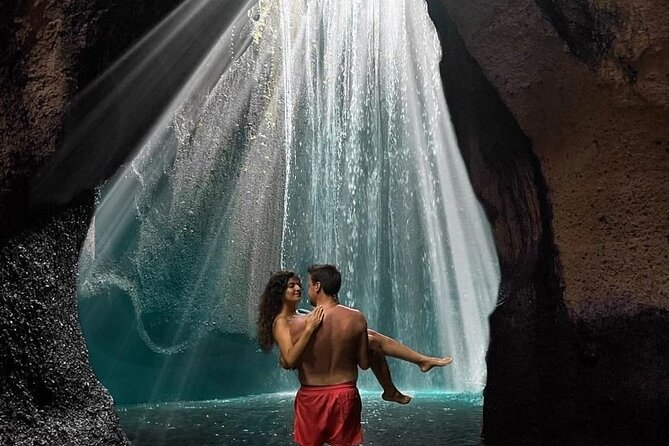
Cave-lit waterfalls set the tone. This private day tour pairs local guides raised on the island with a nature route that focuses on real ecology, not just photo stops. You’ll walk through lush jungle, listen for exotic bird calls, and work your way toward waterfall views and clear pool moments, including Tukad Cepung inside a cave entrance.
I love the practical comfort of an air-conditioned vehicle with pickup included, especially when you’re hopping between different parts of Bali. I also love that admission tickets are included for the main sights, so you can spend less time figuring out fees and more time actually being there at Tirta Empul and the rice terraces.
The tradeoff is physical effort, with forest trails and a cave entrance plus a moderate fitness level recommendation. Also, no lunch is included, so you’ll want to plan your food stops in advance.
Key highlights from this private Bali tour
- Tukad Cepung Waterfall inside a cave entrance, with sunlight beams you can actually see
- Goa Raja Waterfall reached by a short forest walk to a large, picturesque pool
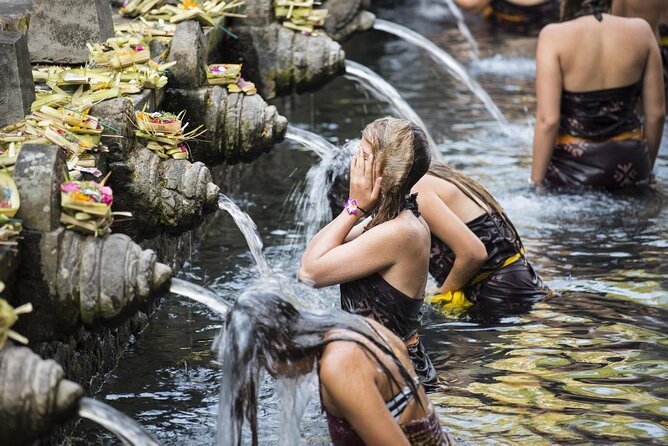
- Tirta Empul Temple holy water experience, where Balinese heritage is part of the visit, not an afterthought
- Ceking Rice Terrace time to see world-famous rice terraces and how local farmers work
- A short batik and wood carving class, plus an art shop stop (about 20 minutes)
- Private format, so you stay with just your group, with flexibility to move at your pace
More ways to do the run up to Ubud
- Ubud Hot Springs and Waterfall Private Guided Tour
★ 5.0 · 719 reviews - Ubud: Monkey Forest, Water Temple, Rice Terrace, Waterfall
★ 5.0 · 538 reviews - Ubud Tour – Ubud Highlight – Private Tour All inclusive
★ 5.0 · 399 reviews - Ubud Tour With Sacred Monkey Forest Sanctuary – Waterfall – Rice Terrace
★ 5.0 · 385 reviews
Why this private Bali day feels local, not scripted
What makes this tour different is the guide approach. You’re not being moved through Bali like a checklist. Your host is from the island, with a personal connection to the places you visit and a perspective on history and ecology while you’re walking.
That matters on a day like this because the route is mostly outdoors. When you understand what you’re looking at, the jungle sounds feel less random. The guide’s explanation also helps you notice small things, like how water shapes the landscape and why certain spots matter culturally.
It’s also private, meaning the pace and timing can adjust to your group. That’s a big deal when you’re doing a cave waterfall and a temple in the same day, because both can be affected by crowd levels and conditions.
Price and what you get for your $40, plus the real timing
The headline price is $40 per person, and admission tickets for the main stops are included. You also get an air-conditioned vehicle, and the tour is private, so you’re not sharing the day with strangers.
Two notes that affect value in practice:
- Lunch is not included, so your true day cost depends on what you choose for food.
- If you’re a solo traveler, there’s a 300k IDR service fee to cover operations. If you’re traveling with someone, you avoid that extra solo charge.
Duration is listed as 6 to 10 hours depending on traffic and road conditions, and one schedule note says 6 to 8 hours including travel. For a route with multiple nature and culture stops, that’s a sensible target. The flexibility here helps you spend time on what’s important, instead of rushing everything.
Tukad Cepung Waterfall: cave entrance power and sunbeams
This is the stop people remember. Tukad Cepung is reached by a forest trail, where you’re surrounded by bird calls and other animal sounds. Then the trail delivers you to a cave entrance, and suddenly the waterfall is framed by shafts of sunlight.
That cave setting changes the feel of the waterfall. Outside waterfalls can be loud and wide, but here you’re watching water under a roof of rock. It also means conditions matter. If the weather is poor, your best viewing moments can change, and access can feel more slippery or darker. Wear shoes you trust.
Plan your time for this stop like it’s two moments: the walk in, then the cave view. The walk helps you transition from heat to shade, and the cave view is where you slow down and actually take it in.
Practical tip: go in wearing a light rain layer if the sky is unsettled. Even when you don’t get a full downpour, mist can happen around waterfalls.
More private days, just your group

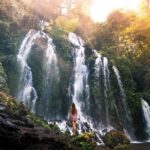

Goa Raja Waterfall: a forest walk to a pool with wow factor
After Tukad Cepung, Goa Raja brings a different style of scenery. You take a short walk through the forest and then reach a large pool fed by the waterfall. The pool is part of the appeal because it gives you space to pause and look around, instead of only focusing on the splash.
What I like about pairing these two waterfalls is the contrast. One is cave drama, one is open forest arrival with a dramatic pool. You get variety without having to change the overall pacing of the day.
Downside to know: any waterfall day in Bali can mean uneven footing. The forest path and the area near water can be damp, so keep your steps careful, especially if you’re visiting during rainy season.
Tirta Empul Temple: experiencing Balinese heritage through the holy water
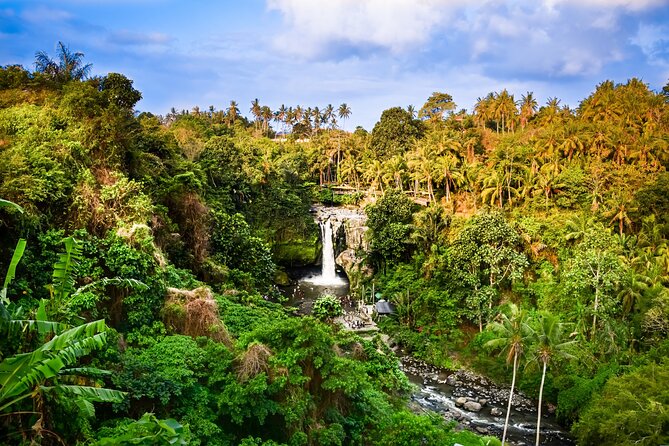
This stop is the culture hinge of the day. Tirta Empul is a holy water temple, and the visit is framed around Balinese heritage and spirit. You enter the grounds and let the setting educate you, with the idea that this is more than sightseeing.
Even if you don’t know the rituals ahead of time, you’ll feel the structure of the place. It’s not just a scenic temple view. It’s a functioning spiritual site, which changes how you behave there.
I’d treat this as your reset. After walking through forest trails and waterfall areas, you’ll want a calmer moment. The temple does that well, and it also balances the day so it doesn’t feel like only nature stops.
Practical tip: expect to follow the site’s rules and etiquette, especially around water areas. If you’re unsure, ask your guide what to do first.
Ceking Rice Terrace: seeing how rice farming really works
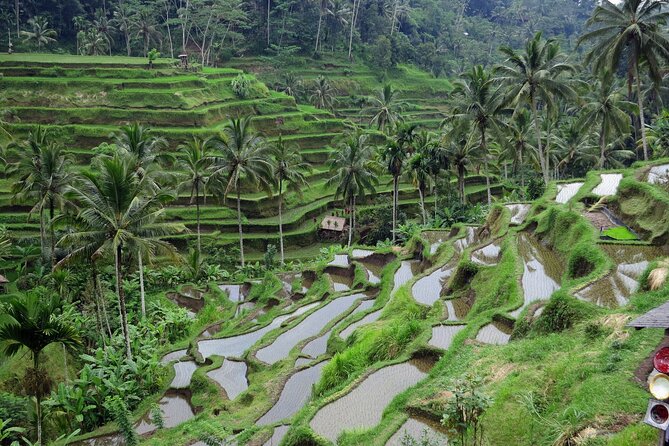
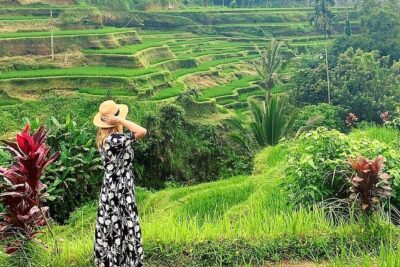
If you care about how people live with the land, this is a strong end-of-day choice. The Ceking Rice Terrace stop is built around walking through rice terraces with awe-inspiring views, plus time to see local farmers tending the rice fields.
This is where the tour connects nature to everyday life. Waterfalls bring drama, but rice terraces show a long-term relationship with rainfall, soil, and farming knowledge.
A consideration: rice terraces can look amazing from multiple angles, but they can also be uneven. Comfortable, grippy shoes help again here, because you’ll likely be walking on paths near agricultural areas.
If you’re photographing, give yourself time to look for composition, not just the biggest view. The terrace system rewards patience.
Batik and wood carving in 20 minutes: a quick craft taste
Stop five is short: about 20 minutes for a Bali simple wood carving and batik class, plus time to see an art shop where local products are made.
Here’s the honest way to think about it: this isn’t a multi-hour workshop where you master a technique. It’s a quick introduction. Still, it can be a worthwhile add-on if you like learning what you’re seeing, not just taking pictures of it.
If your priority is hands-on crafting, you may want to pair this with another Bali craft activity later. But as a final stop after waterfalls and temples, it works because it breaks the day into a different kind of experience.
Practical tip: if you plan to buy art, set a small budget before you arrive. That way you’re shopping intentionally, not in a rush.
How the route pacing works across 6 to 10 hours
This day has a repeating rhythm:
1) walk in a natural area,
2) reach a viewpoint or water feature,
3) spend about an hour at that stop,
4) then move on by vehicle.
Most stops are set for around 1 hour each, and the craft stop is shorter. The overall duration can vary with traffic and road conditions, so don’t plan another activity immediately after.
Also remember the physical side. You’ll be on forest trails and near water. The tour recommends moderate physical fitness, which usually means you don’t need athletic training, but you do need comfort walking on uneven ground and climbing into a cave entrance.
What to pack for comfort, photos, and wet-weather reality
This is a practical nature-and-culture route, so pack for both weather and movement.
Bring:
- Shoes with traction (important for damp paths)
- A light rain layer or poncho (water mist around waterfalls is common)
- Water and a small snack plan since lunch isn’t included
- Sun protection, even if it’s rainy season, because breaks in clouds can happen
For photos, the best move is to arrive ready to wait a few minutes. Cave waterfalls can have changing sunlight as clouds shift. Rice terraces also reward taking a moment to look up and around.
One small thing I like about having a private guide: if you’re particular about getting the right angle, you can ask for timing and positions. Flexibility is part of why this type of private tour works so well.
Best timing: rainy season for fewer crowds, and why weather still matters
One review tip I’d take seriously: during rainy season, you can often find less crowds. That can make cave and waterfall areas feel calmer, and temples feel more relaxed.
But the weather requirement is real. This experience requires good weather, and if it’s canceled due to poor weather, you’ll be offered another date or a full refund. That’s the tradeoff of an outdoors-heavy route.
So how do you decide?
- If you hate crowds and don’t mind occasional rain risk, rainy season can be a sweet spot.
- If you want the lowest chance of cancellations, aim for a period with steadier conditions.
Either way, check the forecast close to your day, and keep your plans flexible.
Who this tour fits best
This is a great match if you want:
- a private day with a personal guide voice,
- a mix of nature and culture without changing bases,
- waterfall time plus a temple and rice terraces in one shot.
It’s also a good fit for solo travelers, as long as you’re okay with the solo service fee. And it’s built around a moderate walking level, so if you’re comfortable on uneven forest paths, you’ll likely be fine.
If you need a fully sedentary day with no walking at all, you might find the cave entrance and terrace paths too active.
Book it or skip it? My honest take
I’d book this tour if your top goal is a well-paced day that connects Bali’s outdoor beauty with daily life and culture. The combination of Tukad Cepung cave drama, Goa Raja waterfall pool scenery, Tirta Empul spiritual heritage, and Ceking rice terrace farming makes the itinerary feel like a real cross-section of the island.
Skip it if you:
- need lunch included in the price,
- want minimal walking on damp paths,
- or are traveling during a window where weather uncertainty would stress you out.
If you book, do one smart thing: plan a food option ahead of time and pack traction shoes. That small prep turns a good day into a smooth one.
FAQ
How long is the private tour?
The duration is listed as 6 to 10 hours, and it may be about 6 to 8 hours including travel. Traffic and road conditions can change the final timing.
Is pickup included?
Yes, pickup is offered. You’ll travel in an air-conditioned vehicle.
What’s included in the tour price?
Admission tickets are included for the stops, and all fees and taxes are included. Lunch is not included.
Is this tour private or shared?
It’s private, meaning only your group participates.
What if the weather is bad?
This experience requires good weather. If it’s canceled due to poor weather, you’ll be offered a different date or a full refund.
Is the tour a good choice for someone with moderate mobility needs?
The tour recommends a moderate physical fitness level. Expect walking on forest trails and some uneven ground near the natural areas.
What does the solo traveler fee mean?
For solo travelers, there is a 300k IDR service fee to cover operating costs. If you’re traveling with others, that specific fee may not apply the same way.
More Tours in Seminyak
- Experts Bali Driver : Best Bali Private Driver for Tour in Bali★ 5.0 · 1,339 reviews
- Ubud Hot Springs and Waterfall Private Guided Tour★ 5.0 · 719 reviews
- Bali Secret Waterfall Tour – Private and All-Inclusive★ 5.0 · 688 reviews
- Bali Instagram Tour: The Most Scenic Spots★ 5.0 · 634 reviews
- Uluwatu Sunset Tour: Kecak and Fire Dance with Jimbaran Dinner★ 4.5 · 597 reviews
- Half Day Bali Tour★ 5.0 · 556 reviews
More Tour Reviews in Seminyak
- Bali Full-Day Traditional Village Sightseeing Trip All Inclusive★ 5.0 · 3,069 reviews
- Experts Bali Driver : Best Bali Private Driver for Tour in Bali★ 5.0 · 1,339 reviews
- Bali Hai Sunset Dinner Cruise★ 5.0 · 1,173 reviews
- Mount Batur Sunrise Trekking★ 5.0 · 947 reviews
- Private Arrival Transfer: Bali Airport to Hotel★ 4.5 · 739 reviews
- Ubud Hot Springs and Waterfall Private Guided Tour★ 5.0 · 719 reviews
Up the Hill Again: More Ubud Days
- Ubud Hot Springs and Waterfall Private Guided Tour★ 5.0 · 719 reviews
- Ubud: Monkey Forest, Water Temple, Rice Terrace, Waterfall★ 5.0 · 538 reviews
- Ubud Tour – Ubud Highlight – Private Tour All inclusive★ 5.0 · 399 reviews
- Ubud Tour With Sacred Monkey Forest Sanctuary – Waterfall – Rice Terrace★ 5.0 · 385 reviews
- Tanah Lot Tour with Ubud Monkey Forest, Rice Terraces, and Waterfalls★ 5.0 · 273 reviews
- Ubud Waterfalls, Temple & Rice Terrace Guided Tour★ 5.0 · 238 reviews
Just written up around Seminyak


Ubud Day Trips from Seminyak, compared.
 ★ 5.0Ubud Hot Springs and Waterfall Private Guided TourFrom $18719 reviews
Ubud: Monkey Forest, Water Temple, Rice Terrace, WaterfallFrom $28538 reviews
 ★ 5.0Ubud Tour – Ubud Highlight – Private Tour All inclusiveFrom $59399 reviews
Ubud Tour With Sacred Monkey Forest Sanctuary – Waterfall – Rice TerraceFrom $25385 reviews
 ★ 5.0Tanah Lot Tour with Ubud Monkey Forest, Rice Terraces, and WaterfallsFrom $67273 reviews
Ubud Waterfalls, Temple & Rice Terrace Guided TourFrom $22238 reviews
 ★ 5.0Bali Private Car Charter With English Speaking Driver To Ubud AreaFrom $25138 reviews
Ubud Tour With Tirta Empul Holy Water TempleFrom $23123 reviews
Browse the lists this tour appears in