
Review · NUSA DUA WATER SPORTS
Nusa Dua: Museum Pasifika Admission Ticket with Audio Guide
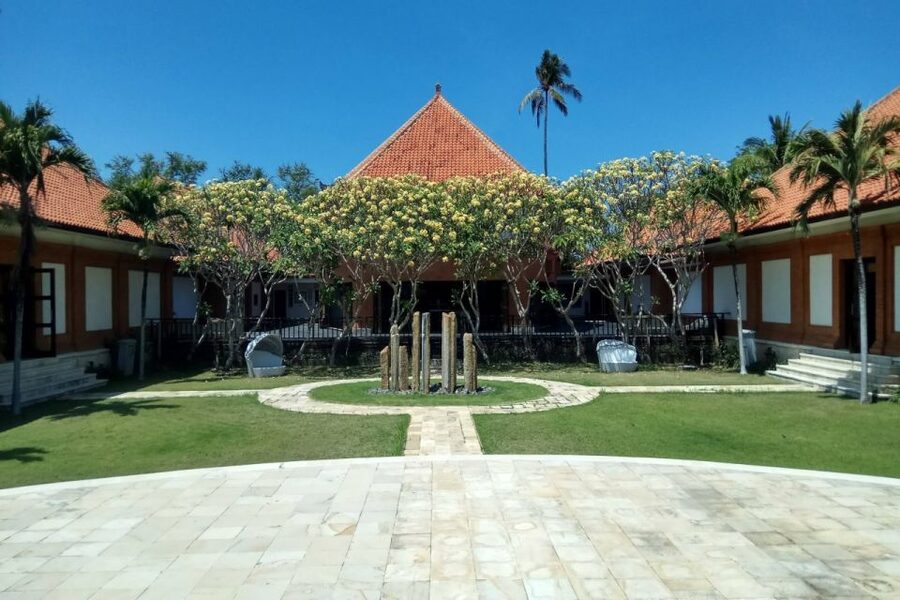
Art in Bali, and it stays calm. Museum Pasifika is a smart break in Nusa Dua, where you can wander through Asia Pacific art at your pace, using the audio guide to make connections you might miss on your own. I like the easy, curious mood in the galleries, and I love how the museum mixes famous names with regional artists. One thing to consider is that the building can feel humid, and some rooms are not tightly climate controlled, so you may want to plan around that.
For about $7 per person, this ticket gives you a lot more than entry. You get access to 600 plus artworks by 200 international artists, plus refreshments, a cold towel, and drinks like tea, coffee, or infused water. It is a museum visit that feels straightforward and relaxing, not a stressful checklist.
Key things to know before you go
- 600-plus artworks by 200 international artists, with both painting and sculpture
- Audio guide in English and Indonesian, which helps you read the collections fast
- Pacific Ocean sculpture collection with around 200 sculptures from 10 nations
- Rooms devoted to Indonesian masters like Raden Saleh, Affandi, and Hendra
- A Western gallery set that includes Paul Gauguin’s Tahiti period and more
- No flash photography and no tripods, so plan for quiet, handheld shots
Worth putting beside this one before you pay:
- Bali: Upside Down World Admission Ticket
★ 3.6 · 23 reviews
Where Museum Pasifika fits into a Bali day in Nusa Dua
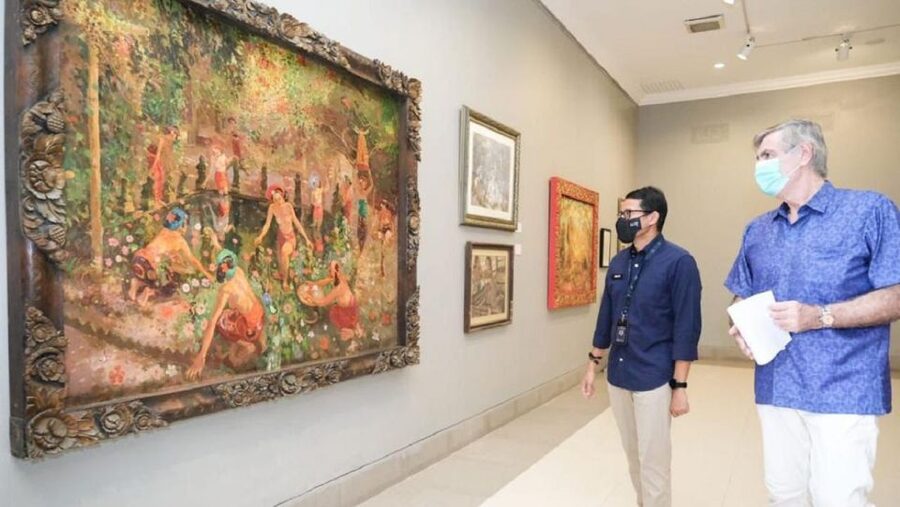
Nusa Dua is Bali’s more polished resort zone, but Museum Pasifika feels like it belongs to the calmer side of the island. The galleries are laid out so you can move at a slow walking pace, without the sense that you have to rush to see everything.
This is not one of those museums where you need a special background to enjoy it. You will get more out of it if you use the audio guide as you go, but even without it, the variety is instantly engaging.
If you are doing beach time, a water park, or one of the big day trips, this museum works as a reset. It is indoor, cool-ish compared with outside, and quiet enough that you can actually read labels and listen.
Price and logistics: what $7 buys you, and what it does not
At around $7 per person, the value is in what you get alongside admission. Your ticket includes the audio guide, a cold towel, and drinks such as tea, coffee, or infused water. There is also a refreshment component, plus onsite options like a café and free Wi-Fi, which makes it easier to turn the visit into a full, low effort half or full day.
The one practical catch is that there is no hotel pickup and drop-off. You will need your own transport to reach the museum, then show your ticket at the reception area.
Plan on about a day because the museum is big enough to lose time in good ways. With 600 plus artworks, you will not want to sprint through rooms, especially if you are using the audio guide track-by-track.
Entering the museum: show your ticket, then start with the audio plan
Your visit starts at the reception area, where you show your ticket for entry. After that, you are free to move through the museum rooms in the order that makes sense to you.
Because the audio guide is part of the experience, I suggest doing one simple thing: pick a strategy before you press play. Either you listen to the guide for the main highlights in each gallery, or you pick a few artists and follow their path through the museum.
The language options are English and Indonesian, so if you are comfortable with one of those, stick to it. Switching languages mid-way can break your flow, and you might miss a connection the guide is building.
The Asia Pacific painting halls: how to enjoy 600 plus works without burnout
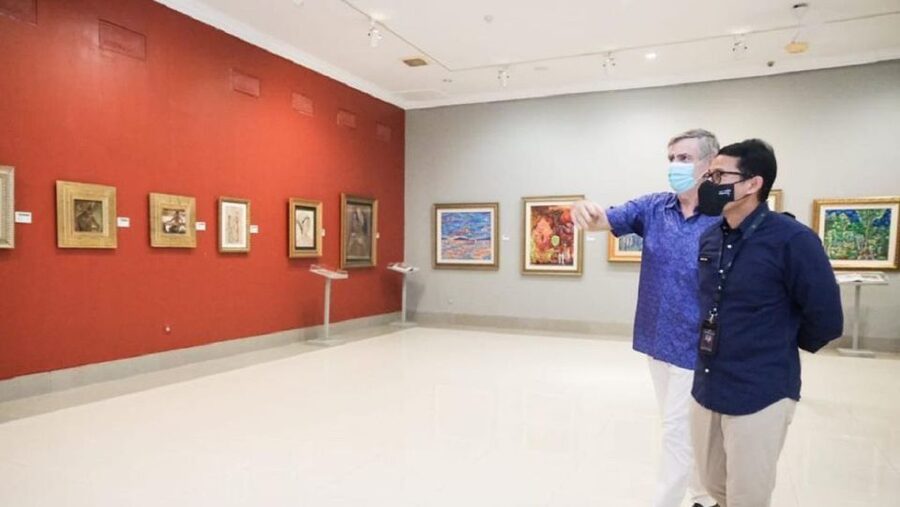
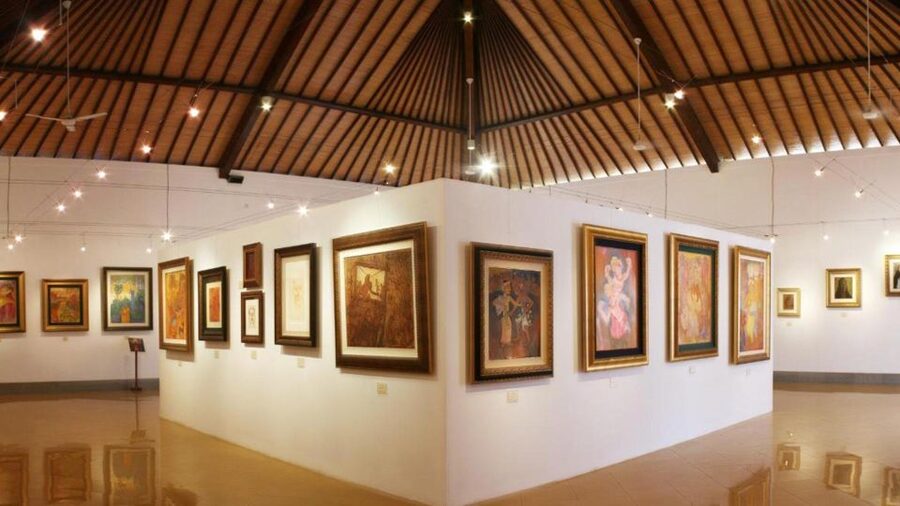
The collection’s headline is size, but its power is variety. You are looking at historic and contemporary works across painting and sculpture, with artworks drawn from across the Asia Pacific world.
What I like here is the way the museum encourages curiosity. You can stop at a painting, read it, then keep going and see how themes change from room to room. That is an art museum skill more than a talent test.
A good way to pace yourself is to choose a few artists you want to know, then let everything else support them. The museum includes Indonesian Master names such as Raden Saleh, Affandi, Hendra, and Kobot, plus other strong figures like Lempad entry in the Indonesian lineup.
Here is what to watch for as you move through painting rooms:
- How the style shifts between older European-influenced approaches and local visual traditions
- How artists interpret everyday life, spirituality, or nature through their own lens
- How color, brushwork, and subject matter change even when the rooms are grouped by region or style
If you feel yourself getting lost, do not panic. Use the audio guide to re-find your bearings. That is exactly what it is for.
Indonesian masters and Indo-European artists: the story behind the mix
One of the smartest parts of Museum Pasifika is the way it frames Indonesia and Bali not as a single style, but as a creative network. You get over 50 Indonesian artists represented, which helps the museum avoid the one-note problem many art collections have.
I also like the presence of Indo-European artists inspired by the Asian continent, especially Indonesia and Bali. This is where the museum feels like more than a set of paintings. You can sense cultural exchange in the art choices, even when the names sound European or European-descended.
In practical terms, these rooms can feel like a guided conversation between influences. You might see how European training or taste meets local subjects, materials, or atmosphere.
As you walk, keep an eye out for artist names tied to the museum’s Western-influenced rooms, including:
- Walter Spies
- Miguel Covarrubias
- Jean Le Mayeur
- Charles Sayers
These names are useful because they anchor what you are looking at. When you can connect a painting to an artist’s background, your brain reads the artwork faster.
Beaux-Arts School of Hanoi student works: why that detail matters
There is a section devoted to works by Indonesian students of the Beaux-Arts School of Hanoi. Even if you are not hunting for art school history, this part helps explain why the museum’s collection feels international but still closely connected to Southeast Asia.
This is the kind of detail that makes Museum Pasifika more interesting than a standard “look at famous art” stop. It suggests training, learning, and adaptation, not just finished masterpieces.
If you like learning how art travels through people, this is your moment. Spend an extra few minutes here and you will likely understand the museum’s broader idea better.
The Michoutouchkine and Pilioko Pacific sculpture collection
Then you hit one of the museum’s main draws: the Michoutouchkine and Pilioko Collection of Premier Art of Oceania. It is focused, and that focus is a gift.
You are looking at around 200 sculptures from 10 different nations in the Pacific Ocean area. The collection is significant for its completeness and the time behind it, collected over more than 50 years by the two artists.
Sculpture changes how you experience a collection. Instead of reading a painting like a surface, you notice form, symbolism, and the way a figure occupies space. Even if you do not know the cultural context immediately, your eye starts asking smarter questions.
My best advice for this part is simple. Do not rush. Pick a few pieces and look at them from different angles if the display allows it. Use the audio guide when you are ready to go beyond the visual and into meaning.
The Legendary Western Artists exhibition, including Gauguin in Tahiti
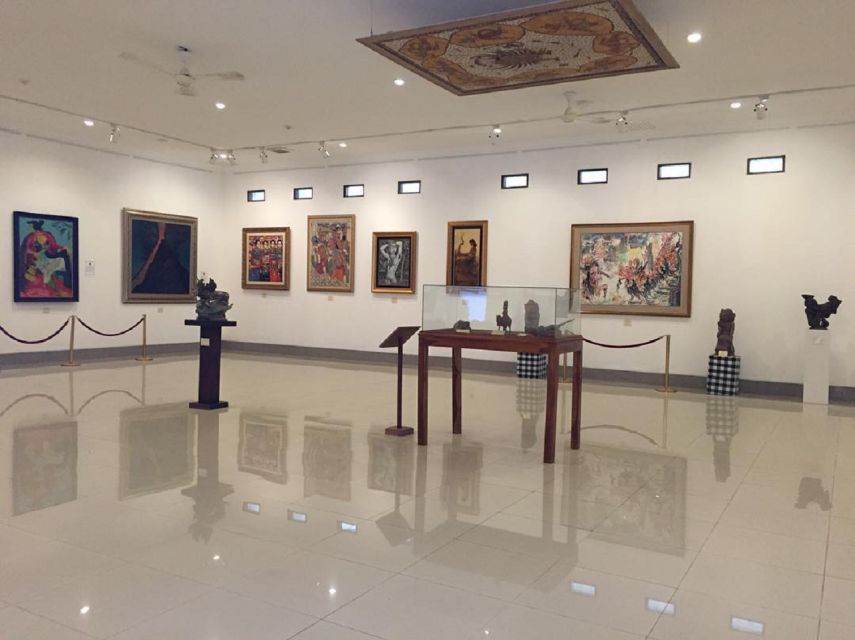
The museum also includes a Western artists exhibition, with a highlight on Paul Gauguin during his Tahiti period. This matters because Gauguin’s Asia and Pacific influence is a well-known thread in art history, and seeing it in this context helps you compare perspectives.
You can also find works associated with artists including Henri Rousseau, Henri Matisse, Auguste Rodin, Marvina Hoffmann, and Bernard Buffet, inspired by their time in Asia.
If you are used to thinking of Western art and Pacific art as separate buckets, this gallery challenges that shortcut. You will see how Western artists interpreted Asia through travel, curiosity, and fascination, and how that shaped their work.
This section is a good place to slow down and think, not just look. Ask yourself a few quiet questions as you watch the shapes and subjects:
- Are these works showing admiration, fantasy, or a mix of both?
- How does the style communicate a different world view than the original context?
Using the audio guide well, without turning your day into homework
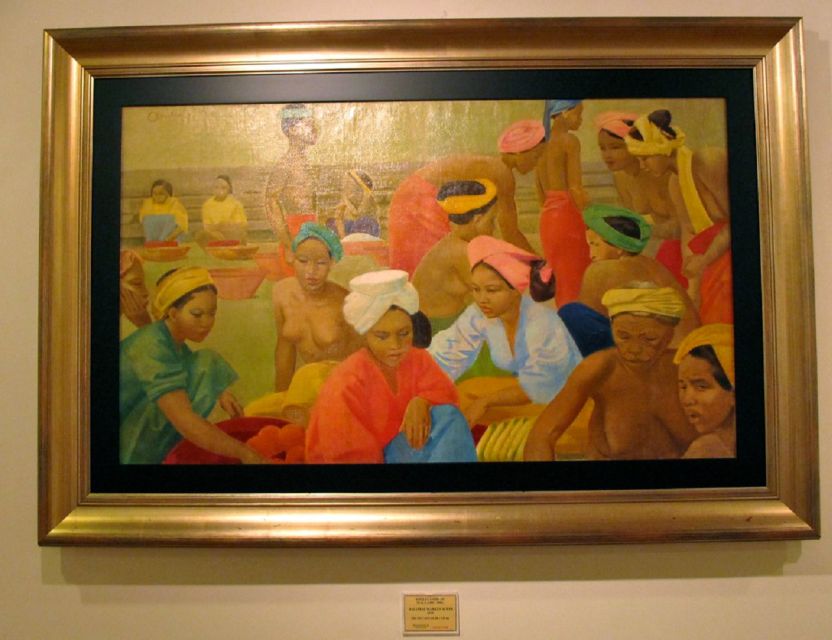
The audio guide is included, and it is offered in English and Indonesian. That is a big deal in a museum like this because it can save you from feeling stuck at labels only.
Here is how I’d use it for maximum payoff:
- Start with the main sections, then return to any room you want to understand better
- Listen first, then look again for what you heard
- If you want photos, aim to finish audio in a room before you start snapping, since flash is not allowed
Also, keep your listening time realistic. With 600 plus artworks, your best experience comes from choosing what matters to you. The guide helps you choose, not replace your own curiosity.
Refreshments, café, and the practical comfort side
One underrated value point is the included drinks and cold towel. In Bali heat and humidity, small comfort upgrades help you enjoy museums longer, especially if you plan to stay through multiple rooms.
There is a café onsite, plus free Wi-Fi and a large parking area. So even if you need a short break, you can regroup without losing your place.
If you are visiting with kids or anyone who gets restless indoors, this break option helps a lot. It turns the day into a flexible rhythm rather than an all-or-nothing gallery marathon.
Rules that affect your photos and pace
Museum rules are simple, but they affect how you plan your camera use. Flash photography is not allowed, and tripods are not allowed. Weapons or sharp objects are also not permitted.
This is mostly good news. It keeps the galleries quiet and distraction-free. For you, it means you should plan for natural or available light photos using your phone or a handheld camera setting that avoids flash.
If you love filming, remember the tripod rule. You can still record short clips, but keep it handheld and respectful.
Humidity and climate control: the one caution I’d plan around
One concern raised about the museum is that there is no strong air-conditioning and that doors can be left open, which can make humidity feel more noticeable. If you are sensitive to heat or you notice strong moisture in the air, plan your timing.
My practical approach is to do the most intense walking first, then use breaks when you need them. Bring water if you think you’ll want it beyond what is included, and focus on the audio guide as your structure so you do not feel pressured to rush through every room.
Also, because artwork can be sensitive, it is worth treating the experience as a viewing opportunity rather than a long, lingering session pressed right up against displays. Stay attentive, read what you can, then move on.
Who this museum ticket is best for
Museum Pasifika is a great fit if you like art that connects places, not just one style of beauty. You get:
- Indonesian Masters and contemporary names you can recognize
- Indo-European perspectives tied to Indonesia and Bali
- Pacific Ocean sculpture with a serious scale
- A Western exhibition that includes Gauguin’s Tahiti period
You will probably enjoy it most if you care about cultural exchange and you like learning through context, using the audio guide as your guide rails.
It is also a solid choice for visitors who want something calmer than Bali’s usual headline activities. The museum’s quieter atmosphere makes it easier to stay focused and enjoy the details.
Families can go too. Children aged 0-11 can enter free of charge, and the onsite café and drinks make it easier to keep everyone comfortable.
Value check: is it worth your time at about $7?
For roughly $7, you get a lot of outcomes in one place. You are not just paying for entry. You are paying for an audio guide, refreshments, and a museum layout that encourages slow viewing across multiple collection areas.
If you are comparing against paid attractions that only last an hour, this has better staying power because the collection is large and varied. You can also choose your own depth level, from quick highlights to spending real time on specific artists.
The only reason it might not feel worth it is if you want a tightly climate-controlled museum experience. If humidity bothers you a lot, you might find comfort challenging. Still, the included cold towel and breaks help.
Should you book Museum Pasifika Admission with Audio Guide?
I would book it if you want a calm, culture-first stop in Nusa Dua, with Pacific-focused art and a strong mix of Indonesian and international names. The audio guide is the difference-maker because it helps you connect the collection’s themes while you wander.
I would hesitate only if heat and humidity are deal breakers for you, or if you hate museums where you are responsible for your own pace. In that case, you might still go, but go with a plan to take breaks and keep your viewing time comfortable.
If you want a museum day that feels human, not rushed, Museum Pasifika is one of the better-value art experiences in Bali.
More Tickets in Denpasar
- Bali: Upside Down World Admission Ticket★ 3.6 · 23 reviews
More Tour Reviews in Denpasar
- Bali: Upside Down World Admission Ticket★ 3.6 · 23 reviews
Just written up around Denpasar
Nusa Dua Water Sports, compared.
 ★ 4.5Bali Water Sports and Uluwatu Tour PackagesFrom $120119 reviews
 ★ 4.5Bali Water Sport and ATV Ride Packages : Best Quad Bike TripFrom $11066 reviews
 ★ 4.5Bali Water Sport Jumbo PackagesFrom $7037 reviews
 ★ 4.5Best of Bali Water Sport Jumbo PackagesFrom $7026 reviews
 ★ 5.0Jet Ski, Parasailing, Banana Boat and Bali Spa PackagesFrom $11024 reviews
 ★ 4.5Bali Water Sports, Spa, Uluwatu Sunset and Dinner JimbaranFrom $15021 reviews
 ★ 4.5Tanjung Benoa Water Sports: All Inclusive Bali ActivitiesFrom $7017 reviews
 ★ 4.5Bali Airport to/from Sanur, Nusa Dua, Jimbaran and UluwatuFrom $511 reviews
Browse the lists this tour appears in