
Review · BALINESE COOKING CLASSES
Traditional Tempeh Making & Cooking Balinese Cuisine
Tempeh gets the best kind of makeover. In this small-group class near Seminyak, I like how you learn tempeh history and how your small group size keeps the host focused on your questions. The only real catch to consider is that some menu items can include chicken or tuna unless you clearly say you want the vegan version.
You start at 9:30 AM and finish around 12:30 PM with lunch, taught at a cozy home kitchen and cooked alongside the fresh, practical rhythm of Balinese meals. Tea, coffee, water, and a light snack are included, so you can show up ready to learn and eat without planning around extra stops.
Key highlights you should care about
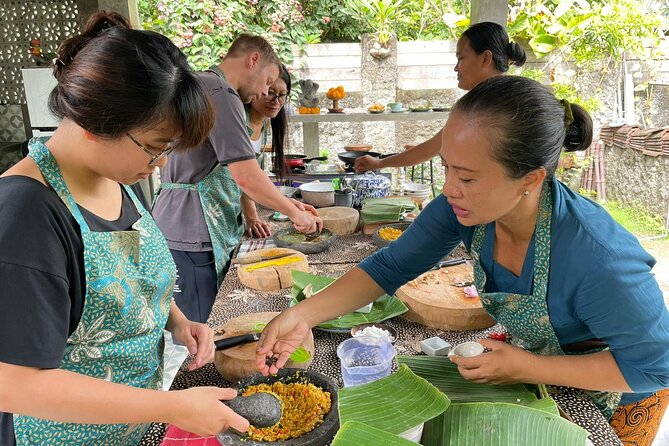
- Ayu and Ngurah teach the process, then help you cook it so you are not just watching
- You make tempeh from scratch and leave with a clearer idea of how to do it at home
- Balinese spice skills are part of the class, not an afterthought
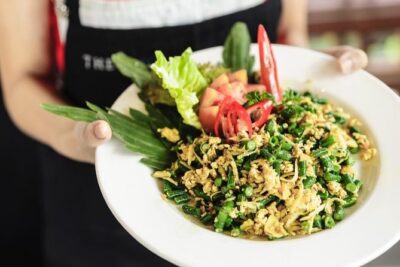
- Sayur Urab is on the menu, with greens and beans plus grilled grated coconut
- Seven-dish lunch in the garden turns the class into a full meal experience
- Max 10 travelers means you get more hands-on attention during cooking
More kitchens that will teach you
- Balinese Cooking Class in Seminyak
★ 5.0 · 281 reviews - Nia Balinese Cooking Class
★ 5.0 · 202 reviews - Nia Bali Seminyak Cooking Class
★ 5.0 · 127 reviews - Cooking class in the comfort of your own personal villa. Yes, I’ll come to you!
★ 5.0 · 80 reviews
Why Tempeh Feels Central in Bali
Tempeh is one of those foods that can sound simple, but it carries a lot of cultural weight. Here, you learn that tempeh is an Indonesia original from Java, and you get the story that goes back to the 1600s. That matters, because it frames what you are about to cook as more than a trendy vegan protein.
The class also treats tempeh like a kitchen tool. You do not only learn how it is made, you learn how it shows up in Balinese cooking and how it can handle bold flavors from spices. The host walks you through both the background and the technique, so the meal connects to the ingredient, not just the recipe.
If you love the idea of eating what locals actually cook, this is a smart angle. Tempeh is versatile, filling, and built for soaking up sauces and seasonings, which is exactly what you want when you sit down to a multi-dish lunch.
Meeting Ayu and Ngurah, and why the group size matters
You meet at Canang Sari Homestay in Denpasar Utara (Dangin Puri Kaja), and the activity ends back at the meeting point. The morning timing is fixed, starting at 9:30 AM, so plan to be there a few minutes early and settled.
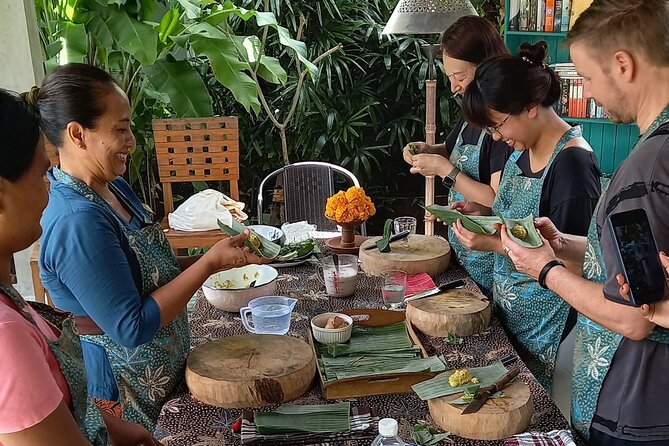
The real quality jump here is that the class caps at 10 travelers. That small size tends to change everything. You get answers while you are cooking, not after the fact. Questions about ingredients, spice levels, or how to handle tempeh during prep are easier to get answered fast.
In the kitchen, the main hosts are Ayu and Ngurah. From the way they teach, it is clear they care about both food and context. Ayu leads with passion, and Ngurah supports in a way that keeps the pace friendly instead of rushed.
The tempeh making lesson: hands-on, then kitchen practice
The core of the experience is learning tempeh from scratch. You start the class by getting the history of tempeh from your host, then you move into the making process. The point is not just to watch tempeh happen, it is to understand what you are building and why it works.
You will learn the highlight of the tempeh making process, then you use that ingredient in the cooking portion of the class. That pairing is key. When you make something yourself first, the flavors later feel earned, and you also understand what changes when you cook it.
A nice bonus is that you get a guide to help you reproduce tempeh at home. Even if you never plan to match Bali conditions perfectly, having a written plan makes the idea less mysterious and more doable.




Spice skills you can use after the class
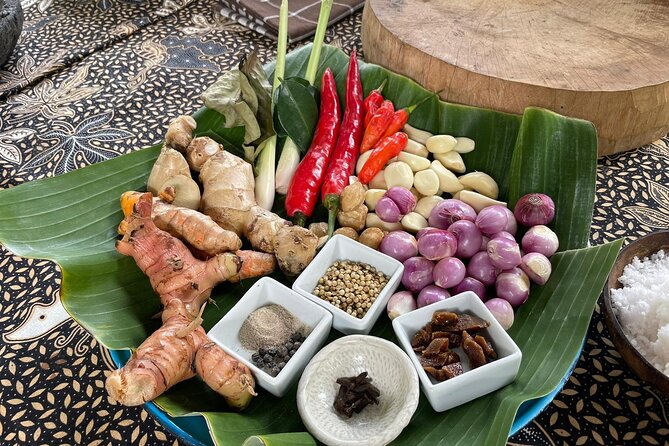
Indonesian cooking can look colorful and complex, but this class keeps it practical. You discover the array of spices used in Indonesian cooking, and you learn how those spices behave in real dishes, not just in theory.
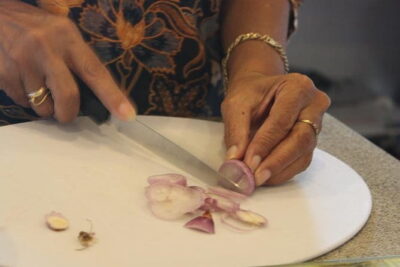
What I like is that the spice lesson connects to what you are chopping, grinding, and seasoning during the cooking session. That makes it easier for you to recreate the results later, even if you adjust for ingredient availability.
Balinese cuisine often relies on the idea of building flavor in layers. The class structure reflects that. You are not only making one dish. You are preparing a set of dishes that use tempeh alongside other Balinese ingredients, so you see the spice toolbox work in different ways.
Sayur Urab and the dishes you actually eat
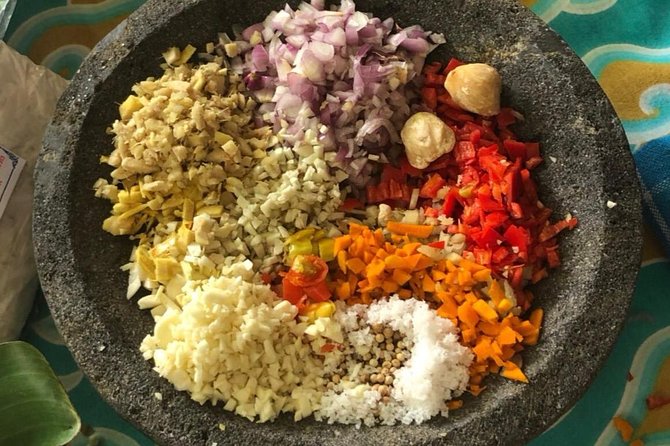
This is not a one-bowl class. You cook several dishes and then share a seven-dish Balinese lunch in a garden setting with a family-style atmosphere at a cozy home.
One dish you can expect is Sayur Urab. It is a vegetable dish made with greens and beans, mixed with grilled grated coconut. That coconut element is a big deal. It helps explain why Balinese food can feel both rich and fresh at the same time.
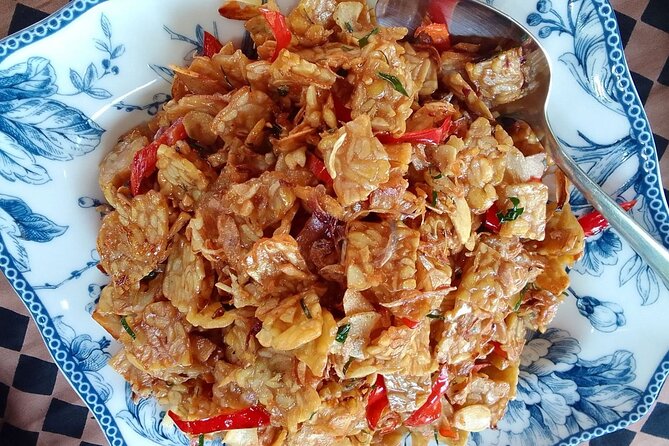
Tempeh features across the menu as the vegan anchor. You prepare multiple tempeh-based dishes, and one style mentioned in past participants’ notes is a tempeh kashage style preparation, which is the kind of crispy approach that helps tempeh feel exciting rather than plain.
Important detail for your planning: the class is described as vegan-friendly, and it also notes that some dishes may include chicken or tuna. If you are strict vegan, confirm ahead of time that you want the meat and fish skipped, and ask how it is handled in the cooking flow. If you are flexible, it still helps to know what is on the table so you can choose comfortably.
Lunch in the garden: why the setting matters
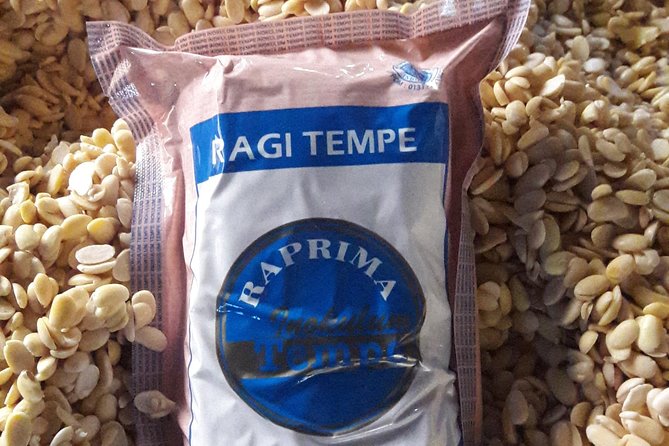
A cooking class can feel like a school assignment. This one shifts the vibe by finishing with the meal where you cooked it. After the cooking, you sit down in the garden for a home atmosphere that feels personal, not staged.
Because you eat the same dishes you worked on, lunch becomes a real payoff. You get to compare textures and seasoning choices, and you are more likely to remember what you did and why it worked. That is the difference between tasting food that someone else made and understanding your own results.
You also get drinks during the class, including tea, coffee, and water, plus a light snack. That helps keep the energy steady from early prep through cooking and then into the final multi-dish meal.
Price and value: is $39 fair for what you get?
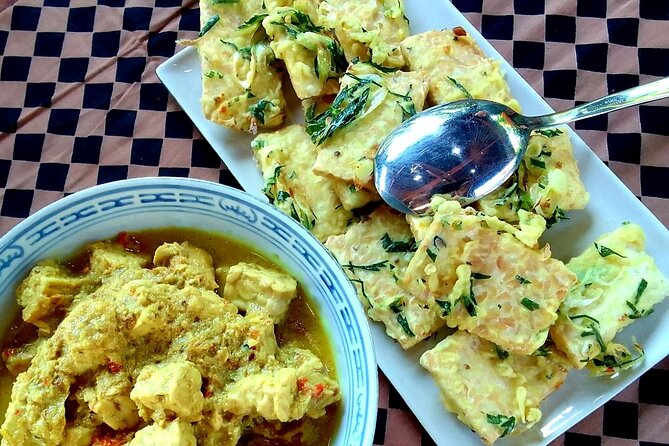
At $39 per person for about 3 hours, this is a strong value if you want both hands-on cooking and an actual meal. Many classes charge more for “watching plus one dish,” and you still end up hungry afterward.
Here, you get:
- Tempeh making instruction from scratch
- Balinese cooking practice with multiple dishes
- A sit-down lunch with seven dishes
- Drinks (tea, coffee, water) plus a light snack
The price also lines up well with the small group size, max 10 travelers, which usually means better individual attention. If you are booking within a popular window, you may find it helps to reserve ahead of time. The class is commonly booked around a few weeks out, so planning early is smart.
Timing and weather: the two things to watch
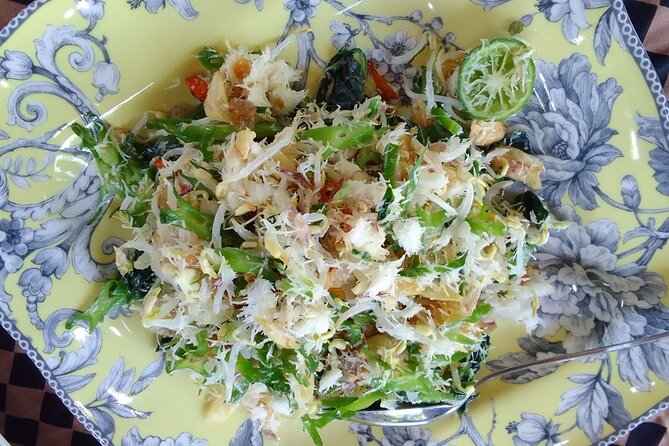
The class starts at 9:30 AM and ends around 12:30 PM, so you get a full morning experience without losing your whole day. That is great if you like to keep afternoons open for the beach, temples, or wandering Seminyak.
One practical consideration: the activity requires good weather. Since parts of the experience are designed around an outdoor home and garden setting, poor weather can trigger a change of date or a refund. If you are on a tight schedule, it is worth having a backup plan for another morning.
Who should book this tempeh class?
Book it if you:
- Want a hands-on Bali cooking class with tempeh at the center
- Prefer a small group where you can ask questions while cooking
- Like learning the food story, not just the recipe card
- Eat vegan, or you want a plant-forward meal with clear options
Consider another option if:
- You need a fully private class by default, since private group is available only by request
- You have strict dietary rules and want zero ambiguity, since the class notes chicken or tuna may be included unless you choose the vegan approach
If you are a foodie who enjoys technique, this kind of class is a good match. You are not only leaving with flavor, you are leaving with better understanding of how tempeh fits into Balinese meals.
Should you book Traditional Tempeh Making & Cooking Balinese Cuisine?
If you want the most value, I would book this. The combination of tempeh made from scratch, Balinese cooking practice, and a seven-dish lunch in a garden setting feels like a complete morning experience for the price.
Before you reserve, send a quick message (or ask directly through the booking) about your dietary preferences, especially if you are vegan and want to avoid chicken or tuna completely. Do that, show up hungry, and plan to spend the morning learning how Bali cooks actually use ingredients you can recognize back home. If that sounds like your kind of trip, this one is worth it.
FAQ
What time does the class start and finish?
The class starts at 9:30 AM and finishes by 12:30 PM, with lunch included.
How long is the experience?
It runs for approximately 3 hours.
Is the class vegan-friendly?
Yes, it is described as vegan friendly. The class also notes that some dishes may include chicken and tuna, and it will be skipped if you are vegan.
What is the meeting point?
You meet at Canang Sari Homestay, Denpasar Gg. Kaswari No.6, Dangin Puri Kaja, Kec. Denpasar Utara, Kota Denpasar, Bali 80234, Indonesia.
How many people are in the group?
The class has a maximum of 10 travelers.
What is included with the class?
Tea, coffee, water, and a light snack are provided during the class, and you also get to enjoy lunch.
Can I book a private group?
A private group is available upon request.
More Tour Reviews in Seminyak
- Bali Full-Day Traditional Village Sightseeing Trip All Inclusive★ 5.0 · 3,069 reviews
- Experts Bali Driver : Best Bali Private Driver for Tour in Bali★ 5.0 · 1,339 reviews
- Bali Hai Sunset Dinner Cruise★ 5.0 · 1,173 reviews
- Mount Batur Sunrise Trekking★ 5.0 · 947 reviews
- Private Arrival Transfer: Bali Airport to Hotel★ 4.5 · 739 reviews
- Ubud Hot Springs and Waterfall Private Guided Tour★ 5.0 · 719 reviews
Learn to Cook It Properly
- Balinese Cooking Class in Seminyak★ 5.0 · 281 reviews
- Nia Balinese Cooking Class★ 5.0 · 202 reviews
- Nia Bali Seminyak Cooking Class★ 5.0 · 127 reviews
- Cooking class in the comfort of your own personal villa. Yes, I’ll come to you!★ 5.0 · 80 reviews
- Balinese Cooking Class & Tanah Lot Temple Visit – Private & All-Inclusive★ 5.0 · 24 reviews
- Balinese Cooking Class at The Santai Umalas Kerobokan★ 5.0 · 20 reviews
Just written up around Seminyak


Balinese Cooking Classes, compared.
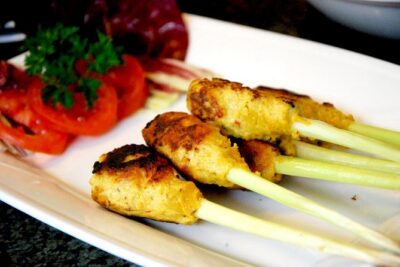 ★ 5.0Balinese Cooking Class in SeminyakFrom $66281 reviews
Nia Balinese Cooking ClassFrom $45202 reviews
★ 5.0Balinese Cooking Class in SeminyakFrom $66281 reviews
Nia Balinese Cooking ClassFrom $45202 reviews
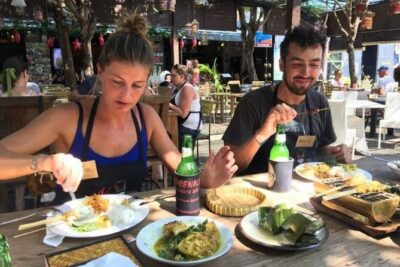 ★ 5.0Nia Bali Seminyak Cooking ClassFrom $71127 reviews
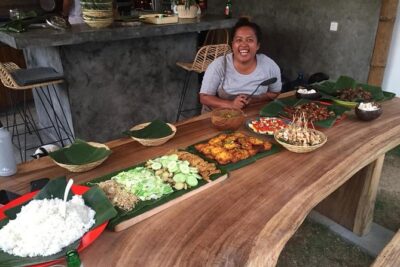 ★ 5.0Cooking class in the comfort of your own personal villa. Yes, I’ll come to you!From $5080 reviews
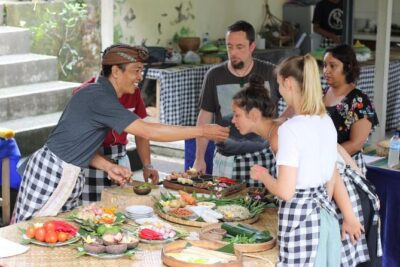 ★ 5.0Balinese Cooking Class & Tanah Lot Temple Visit – Private & All-InclusiveFrom $9524 reviews
 ★ 5.0Balinese Cooking Class at The Santai Umalas KerobokanFrom $4520 reviews
 ★ 5.0Bali Cooking Class Experience with All InclusiveFrom $6212 reviews
 ★ 5.0Private Javanese Cooking Class with Dotty in Tumbak Bayuh, CangguFrom $744 reviews
Browse the lists this tour appears in